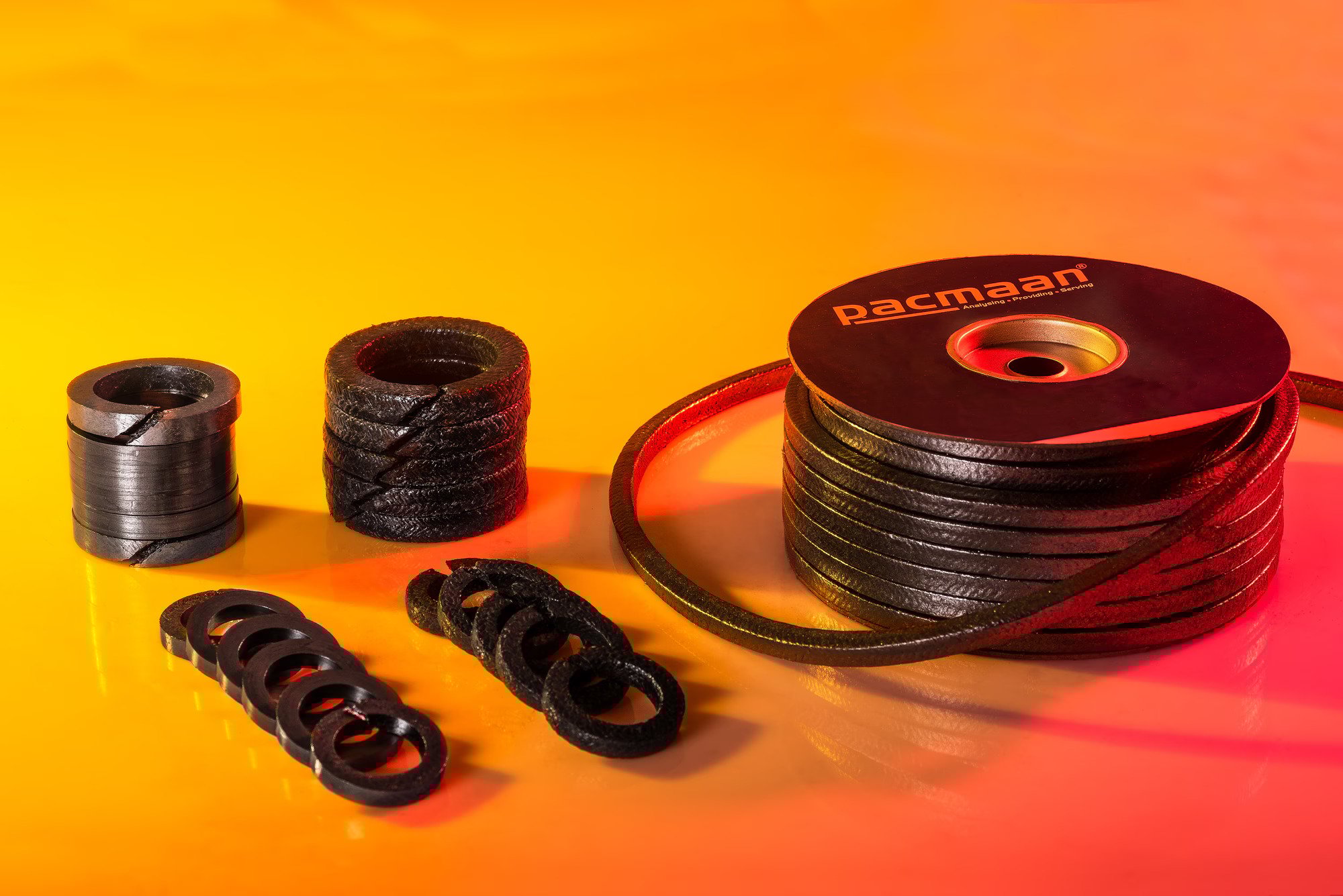




PTFE/RPTFE VALVE SEAL
The exceptional insulating properties of PTFE made it ideal for use in electronic components. First, it is non-conductive, which makes it resistant to high electric fields. Furthermore, it is highly resistant to water, heat, and chemical corrosion. As a result, its is also used to make laboratory equipment that comes into contact with hydrofluoric acid, which dissolves other materials, even glass.
PTFE also possesses very low frictional properties, traditionally represented by the term coefficient of friction. This measurement is relative and differs according to the materials brought into contact to generate or simulate friction. For plastics, friction is usually observed against polished steel. To place the low friction coefficient of PTFE in perspective, it is the only known synthetic surface material to which the toe pads of a gecko fail to stick. This quality makes it suitable for manufacturing parts that need to resist friction, such as gears and ball bearings.
PTFE is made up of carbon and fluorine atoms. The fluorine atoms are just the right size to form a helical shield around the carbon atoms. Because nothing can get close enough, this prevents any chemical attack on the carbon atoms. Fluorine is an extremely reactive element and the chemical bond between it and carbon is one of the strongest in organic chemistry. This is why PTFE can be attacked under only extreme conditions. The forces between polymer chains are extremely small, which gives PTFE its excellent low coefficient of friction.